Fires demand rapid response. Layflat fire hoses provide the durability and flexibility needed in critical moments. They are a game-changer for firefighters and industrial safety teams.
Layflat fire hoses are flat when empty but expand to full diameter under pressure. This design makes them lightweight, easy to store, and quick to deploy in emergencies.
When seconds count, the right equipment saves lives. Layflat fire hoses offer practical advantages in storage, handling and deployment. Let's explore the key factors to consider when selecting one.
Every firefighter knows heavy hoses slow them down. Layflat hoses solve this problem with their unique design.
Layflat fire hoses can be up to 40% lighter than traditional hoses when empty, based on comparative weight tests.[^1]
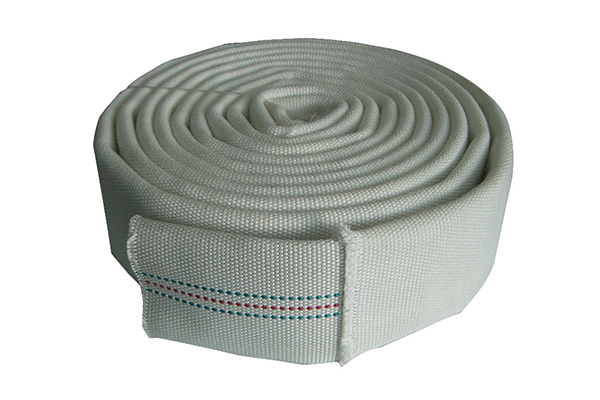
Material Quality:
PVC/Nitrile blends offer chemical resistance
TPU construction provides excellent durability and abrasion resistance.[^2]
Performance Specs:
| Feature | Benefit |
| Low weight | Faster deployment |
| Compact storage | More hose per truck |
| High pressure rating | Effective firefighting |
Versatility:
Operating temperature varies by hose material, construction and model. Refer to the confirmed product specifications before use.
Selected hose materials and constructions can provide improved resistance to abrasion and outdoor exposure.
For chemical-related environments, hose material compatibility should be confirmed according to the liquid, concentration, temperature and operating conditions.
Not all layflat hoses are designed for firefighting applications. Select the hose according to the required pressure, material, construction and applicable project requirements.
Match hose specifications to your needs: consider pressure rating, diameter, material, and length. Refer to applicable fire hose standards, such as EN 14540, when selecting a hose for the intended application. [^3]
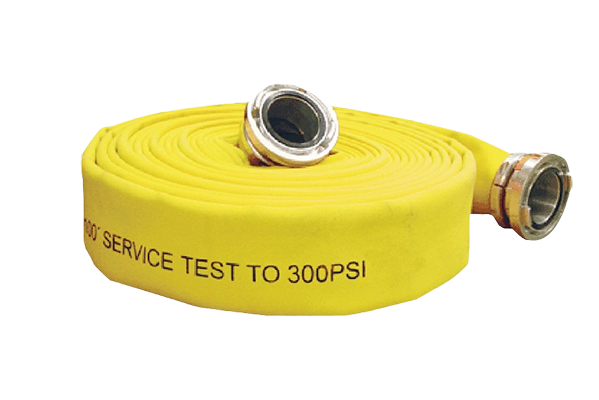
Pressure Requirements:
Standard operations: 10-12 bar
High-rise fires: 16+ bar
These values are provided as practical industry reference points and should be confirmed against the specific fire protection system design and hose specifications.
Diameter Options:
1.5" for maneuverability
2.5" for maximum flow
Certification Checklist:
EN 14540 (fire hose standards)
ISO 9001 quality systems
CE marking for EU compliance
These items are provided as general reference points for hose selection and supplier evaluation; applicable standards, certifications and regulatory requirements should be confirmed for the specific hose model and target market.
Selected Sinohose hose products underwent performance demonstrations at KIELCE Expo 2025, showcasing their handling and pressure performance.[^4]
Even the best hose fails without proper care. Regular maintenance extends service life by years.
Inspect hoses monthly for cracks, abrasions, and coupling damage. Clean after each use and store flat in dry conditions away from sunlight.[^5]
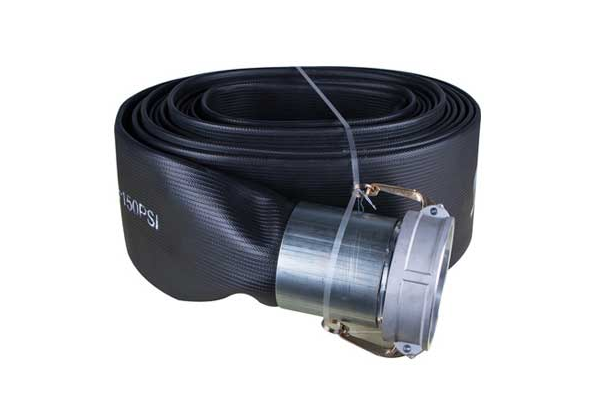
After Each Use:
Flush with clean water
Hang to dry completely
Periodic Checks:
Inspect hose surfaces, seams and connections
Carry out pressure testing when required by the applicable maintenance procedure
Scheduled Maintenance:
Carry out hydrostatic testing and system inspection according to the applicable maintenance requirements.
We replaced a client's hoses every 6 months before implementing this schedule. Now they last 3+ years with proper care.[^6]
Actual service life may vary depending on operating conditions, hose specifications and maintenance practices.
Many suppliers offer hoses. Few deliver the quality and support that emergency teams require.
Sinohose manufactures layflat fire hoses under an ISO 9001-certified quality management system. Our hose products successfully completed performance testing at KIELCE Expo 2025, and our €120K contract reflects customer confidence in our products.[^7]
Material Science:
Advanced polymer blends
Reinforced fiber layers
Quality Assurance:
Quality inspection
Production traceability where applicable
Global Support:
Product selection support
Order and specification assistance
When a wildfire struck Australia, our team shipped emergency replacements within 48 hours. That's the Sinohose commitment.
Layflat fire hoses provide a compact and flexible solution for firefighting and emergency water delivery. Select the correct hose according to pressure, material, size, coupling and application requirements.
[^1]: Based on weight comparison tests between traditional and layflat hoses
[^2]: TPU material advantages from our product lab tests.
[^3]: Fire hose selection guidelines per EN 14540 standards
[^4]: Based on hose performance demonstrations conducted at KIELCE Expo 2025.
[^5]: Maintenance procedures from our technical manuals
[^6]: Client case study from our service records
[^7]: Contract details from KIELCE Expo press release