For high-volume water discharge in agricultural irrigation, mining dewatering, and emergency flood relief, layflat hoses are the go-to solution because they can be rolled up flat for easy transport and compact storage. However, selecting between a PVC/Nitrile layflat hose and a conventional PVC layflat hose can significantly affect durability, handling, operating pressure, and total project cost.
Let's look into a professional comparison to determine which flat discharge pipe fits your specific operations.
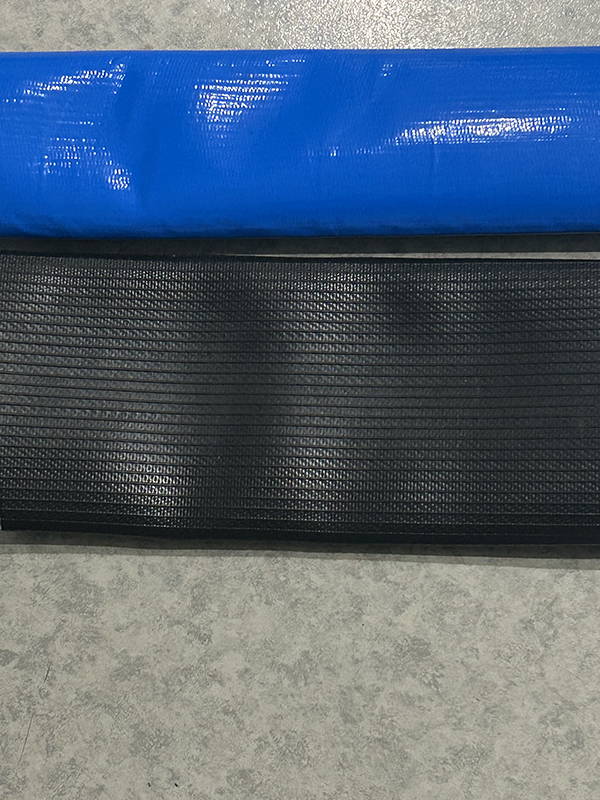
A PVC layflat hose is typically constructed from a PVC compound reinforced with high-tensile polyester yarn. It is lightweight and commonly used for low-to-medium-pressure water discharge applications. It is thin-walled, light, and optimized for low-to-medium pressure water pumping.
Rubber Layflat Hose: Often manufactured via a "through-the-weave" extrusion process using heavy-duty Nitrile rubber (NBR) or Polyurethane (TPU). The rubber completely permeates the textile reinforcement, creating an ultra-durable, integrated single-piece structure.
PVC Layflat: Dragging PVC layflat over sharp gravel, cracked concrete, or agricultural stubble can cause scuffing, pinhole leaks, and delamination between layers.
A heavy-duty PVC/Nitrile layflat hose is designed to provide improved abrasion resistance for demanding applications such as mine dewatering, construction water transfer, and deployment over rough terrain. It has incredible abrasion and puncture resistance, allowing crews to safely drag it over aggressive, rugged oilfield or mining terrains without fear of catastrophic bursting.
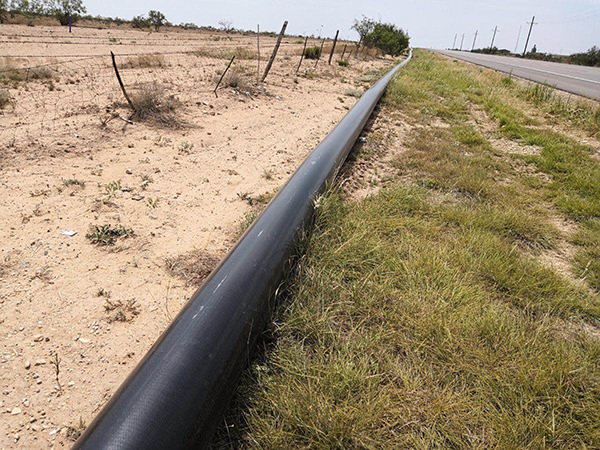
When an industrial water pump kicks on, the pressure wave flows through the discharge line.
PVC hoses have higher elasticity, which can cause them to stretch longitudinally and "snake" across the ground, pulling connections out of alignment.
Premium rubber layflat hoses exhibit minimal elongation under working pressure, ensuring the discharge line stays exactly where it was deployed.
If your water discharge contains chemical runoff, agricultural fertilizers, or traces of diesel/crude oil (common in mining and fracking operations), Nitrile Rubber Layflat may be suitable. PVC degrades rapidly when contacting hydrocarbons, whereas Nitrile rubber handles petroleum products flawlessly.
Project Scenario | Recommended Layflat Type | Reason |
Standard Agricultural Watering | PVC Layflat Hose | Cost-effective, lightweight, easy handling for seasonal farm crews. |
Mine Dewatering & Slurry Pumping | Rubber Layflat Hose | High abrasion resistance against sand, mud, and gravel. |
Oil & Gas Fracking Water Transfer | Nitrile Rubber Layflat | Excellent hydrocarbon/oil resistance and high working pressure ratings. |
Temporary Flood Control (City) | PVC or TPU Layflat | Fast deployment, easy cleanup, and lightweight storage. |
Choosing the correct layflat hose ensures your fluid transfer system operates at zero downtime. Suzhou Seapeak (sinohose.com) provides a complete spectrum of high-pressure rubber hoses and premium flat water lines built to global B2B industrial standards.
Reach out to our global sales division at sales@sinohose.com to get a rapid pricing list and technical datasheets.